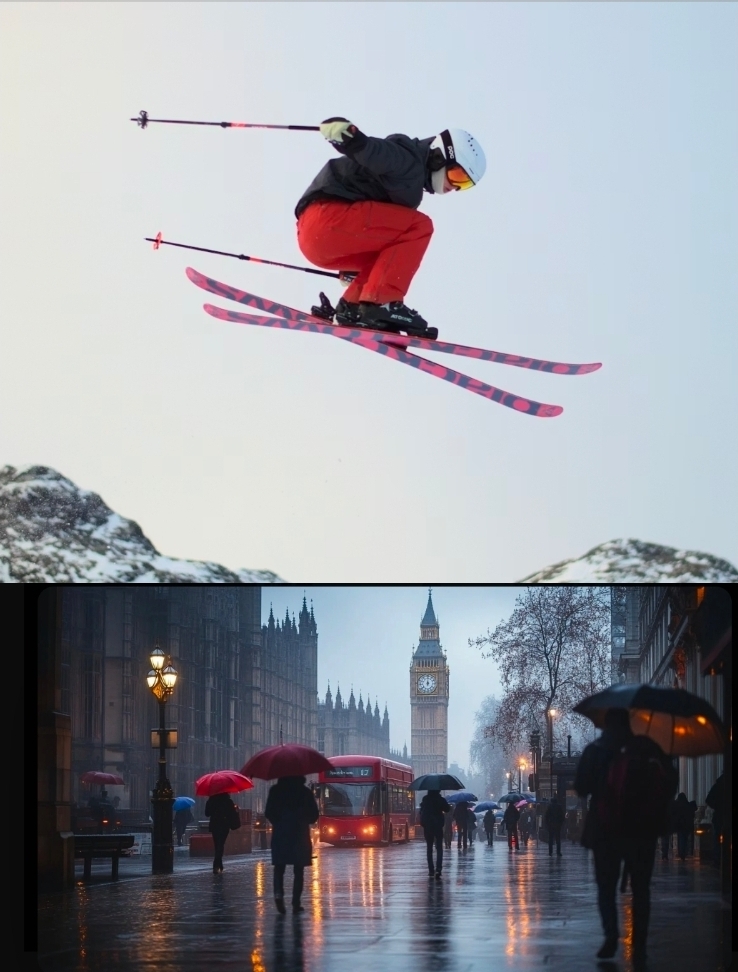
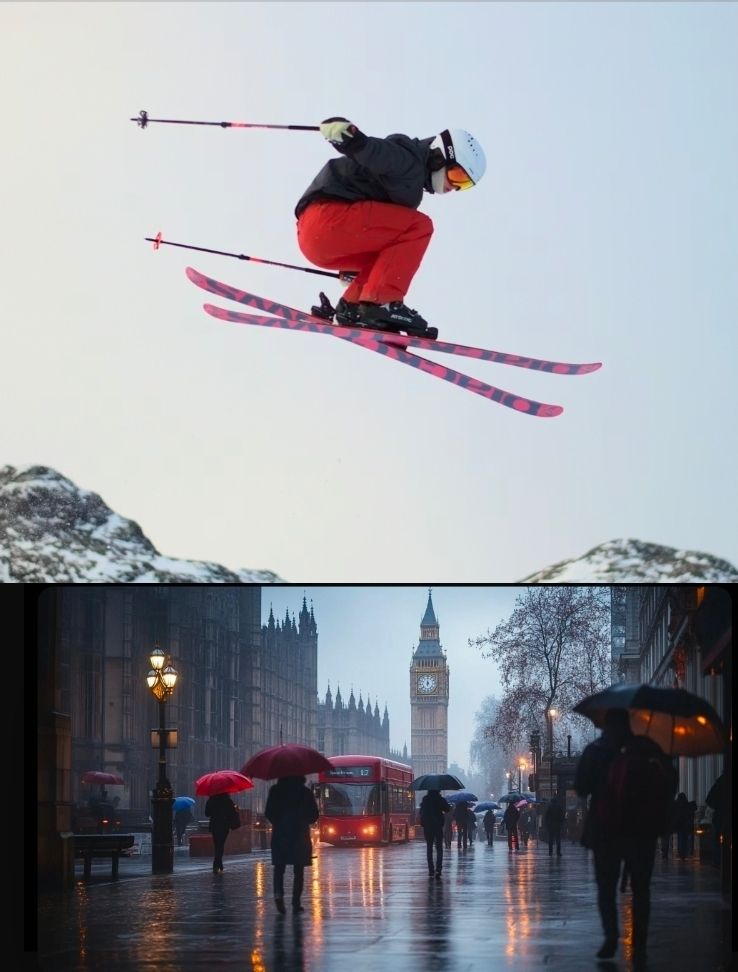
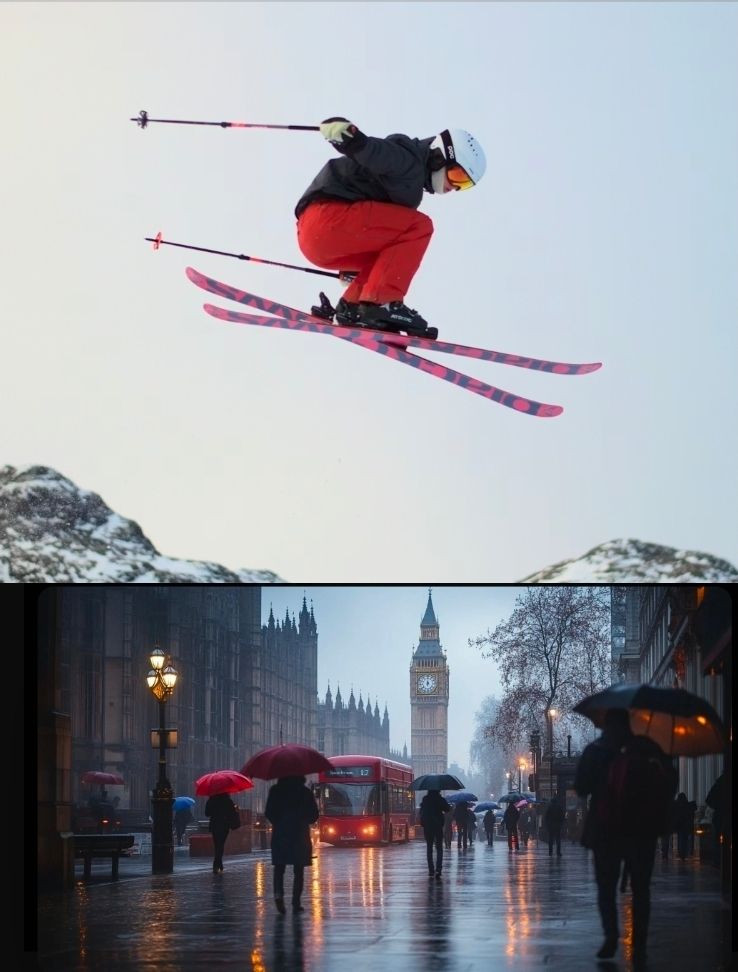
We watch winter athletes ski at speed and skate with precision, then we stand up from the sofa and our back reminds us we are not quite so Olympic.Yet their bodies are not different from ours. The real difference is how their day is organised.A winter athlete constantly balances, turns, adjusts and moves over uneven ground. Ankles, hips, spine, shoulders and eyes all work together. They are not simply exercising muscles — they are training coordination and awareness.A typical London day is the opposite. We sit at breakfast, sit on transport, sit at a desk, stand still on trains and sit again in the evening. Modern life is organised around stillness, but the body is organised around movement. As a result we commonly see lower back pain, neck tension, stiff hips and headaches.Health comes less from intensity and more from frequency. One gym session cannot balance many hours of stillness. The spine is a sensing structure; when movement becomes repetitive the brain becomes protective and muscles tighten. Pain is often the body asking for variety.You do not need a mountain. Small daily changes help: walk regularly, use stairs, vary sitting positions, move during phone calls and occasionally stand on one leg while brushing your teeth.Winter in Britain adds another factor. Snow is actually predictable underfoot — your body adjusts and walks carefully. Cold rain is different. Wet pavements, smooth shoes and rushing for transport create slips. Many winter injuries we see are not sports injuries but sudden twists on damp surfaces.Simple habits matter: wear shoes with grip, slow down on corners and painted road markings, use handrails, and keep warm and dry. When muscles are cold they react more slowly, and a minor slip can become a back or shoulder injury.The Winter Olympics do not show superhuman bodies. They show what a human body looks like when it moves regularly and adapts to its environment. Health is usually built by small daily movement and sensible winter habits, not heroic effort.If you are experiencing recurring stiffness or injury, an osteopathic assessment can help identify how everyday movement — not just exercise — is affecting your body.
 Chiswick Osteopath - Peter Saunders
Leave a comment