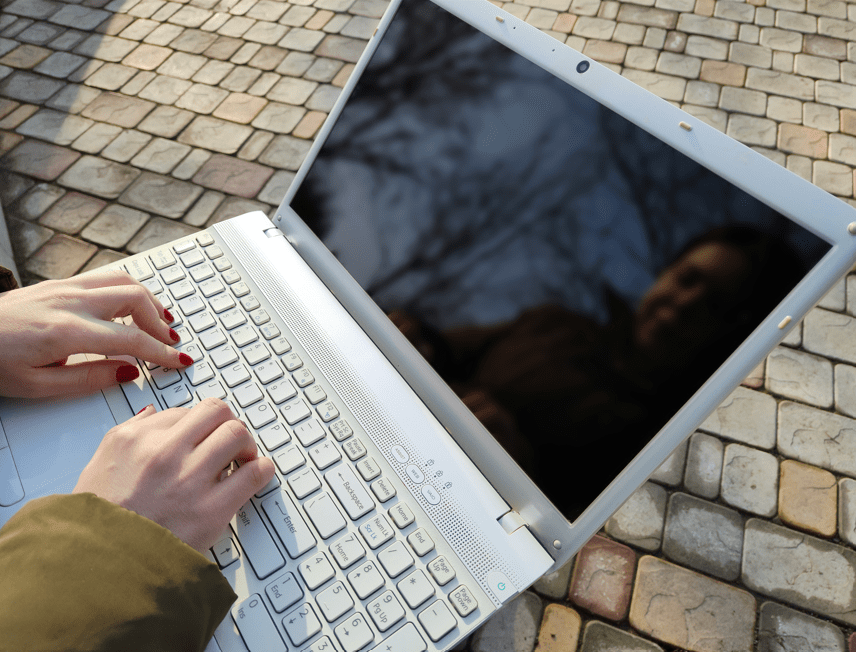
The winter wrist and hand: why typing and phones start to hurt
A common February complaint sounds like this:
“My hands feel tight.”
“My wrist aches by the afternoon.”
“I keep getting tingling in my fingers.”
There is usually no injury. Instead, winter quietly changes how we use our hands. We spend longer indoors, type more, scroll more, and move less. At the same time cold weather reduces circulation to the hands as the body keeps the core warm.
The result is repetition without variety — and tendons dislike monotony.
What is actually happening
The small tendons that move the fingers pass through narrow spaces at the wrist. Repeated gripping (mouse use, phones, steering wheels, cooking) makes them sensitive. You feel aching along the thumb side of the wrist or forearm.
At the same time, keeping the wrist bent — especially when holding a phone low or sleeping with curled hands — can irritate small nerves. This causes pins and needles in the thumb, index and middle fingers.
Reassuringly, early symptoms are usually irritation rather than damage. NHS guidance notes most hand and wrist pain improves with simple activity changes and gradual movement rather than rest alone.
Anatomically, treatment may not even TOUCH the wrist.
Many people sleep with wrists bent under a pillow or tucked toward the chest. After several hours in one position the tissues stiffen. Warmth and gentle movement during the morning usually ease it — a good sign the problem is functional, not serious.
What helps most
The goal is not to stop using your hands but to change how they are loaded.
• Hold your phone higher to keep wrists straighter
• Use a lighter grip on mugs, kettles and steering wheels
• Run warm water over hands before long typing tasks
• Take short breaks every 20–30 minutes to open and close the hands and shake them loose
Often simply improving desk position so the wrists are straight, not bent upward, reduces symptoms quickly.
What to avoid
Complete rest and aggressive stretching both tend to aggravate symptoms. Tendons recover best with calm, comfortable movement rather than force.
Where osteopathy helps
Winter hand pain often starts higher up. Reduced movement in the neck, shoulder and upper back — common with laptop use and heavy clothing — makes the forearm muscles work continuously. Treatment aims to restore movement in these areas so the smaller tissues in the wrist no longer carry the whole load.
Many patients notice typing comfort and grip strength improve once movement above the wrist returns.
Safety note
Seek urgent medical advice if numbness is constant, hand weakness develops, swelling follows injury, or coordination is affected. Use NHS 111 or 999 as appropriate.
If wrist or hand discomfort is affecting work, sleep, or daily tasks, osteopathic care can help restore comfortable use before it becomes persistent.
Book your appointment easily via Cliniko. bit.ly/BookChiswick
 Chiswick Osteopath - Peter Saunders
Leave a comment